


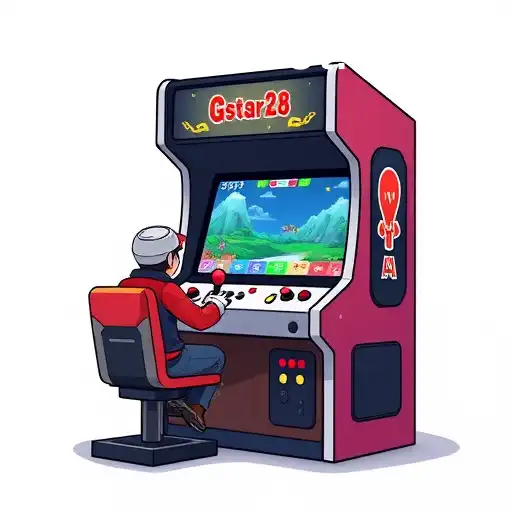
Discover how Gstar28 is capturing the hearts of gaming enthusiasts worldwide as it merges classic games with contemporary culture.
The English game website, Gstar28, has been making waves in the gaming community through its unique take on combining nostalgic gaming experiences with modern-day innovations. In a world where video gaming continues to evolve at breakneck speed, Gstar28 offers a sanctuary for those who crave the simplicity and charm of classic games, with a twist of contemporary flair.
Gstar28 has successfully captured the essence of what originally drew players to games in the past. By hosting a variety of retro-style games and fostering a community that appreciates the art, many players who once dominated arcade floors are finding their way back to a familiar yet freshly curated environment. This trend speaks volumes about today's gamer demographics, who are as much interested in storytelling and strategic depth as they are in graphics and real-time performance.
The resurgence of retro gaming is not an anomaly but a growing trend, as echoed by similar developments across the gaming industry. Titles from the bygone era are enjoying a resurgence, largely thanks to their easy accessibility on platforms like Gstar28. Gamers are not only playing these games; they are discussing strategies, forming online friendships, and thereby building a lively community that extends beyond the screen.
Reports suggest that Gstar28 is also drawing in a new generation of gamers who are exploring these retro gems for the first time. The platform's decision to build around the community dynamic fosters not only competitive spirit but also cooperative exploration. This dual attraction—of reliving classic moments and creating new ones—cements Gstar28's status as a bridge between the past and present.
As we progress deeper into 2025, the trends Gstar28 is setting could redefine the trajectory of gaming culture. By leveraging nostalgia and enriching it with today's digital capabilities, the website stands out as a beacon for balancing the old and new. It prompts both developers and gamers to rethink how they interact with games, potentially inspiring new forms of game design that respect the roots of gaming while innovating for the future.

